From obscure, chewy, bitter and overpriced berries being hyped up on the latest episode of “Dr. Oz,” to the extensive advertisements for yet another complicated diet plan that will eventually fail to produce long-term results, the prospect of achieving optimal health and wellness can seem daunting at the best, and impossible at the worst. The industry behind the supplements and diets has created an image of artificial scarcity that has made many jump to the erroneous conclusion that the simple act of eating healthy requires a doubling of one’s monthly expenses, but that simply isn’t the case. In fact, the secret to improving one’s health may already be waiting right under one’s nose.
Or, more precisely, inside the spice cabinet.
Believe it or not, spices have much more to offer than a mere flavor boost. Science often confirms what practitioners have suspected to be true for centuries, and such is the case with many spices that have seen extensive use in cooking and traditional medicine throughout history. Supplement companies are quick to jump on these studies, attempting to isolate one single extract that they can sell in pill form at a massive markup, but, as is often the case, nature packages nutrients as a whole for good reason.
As such, there will be no recommendations or requirements for expensive pills or exclusive brands here, just some of the world’s tastiest, healthiest and easiest ways to spice up one’s healthy lifestyle.

1. Turmeric

Turmeric has quickly become the “golden boy” (pun intended) of the health-conscious community, and for very good reason. If there were one herb or substance out there that could be said to do it all, it would be turmeric. The list of beneficial effects of this compound are practically too overwhelming to list within the framework of this article, but some of the primary perks are improved cholesterol profiles, reduced triglycerides, decreased rates of cancer, easing of pain and inflammation, greater blood flow, increased insulin sensitivity and possible even warding off fat gain through curcumin’s (the active ingredient within turmeric) actions at a cellular level.

When mixed with fats, such as traditional ghee or coconut oil, turmeric becomes especially potent (Image via Delicious)

One common issue with the beneficial compounds within turmeric, however, is their limited rate of absorption. Interestingly, it seems as though the cultures that have utilized turmeric extensively in their cooking throughout the centuries had it right all along, as both added fats (traditionally ghee, or clarified butter) and black pepper greatly enhance the absorption of these compounds. I would be hesitant to recommend loading up on the ghee, personally, but any healthy source of fat in the complementary meal will make for an effective, tasty dose of nature’s golden medicine.

2. Garlic

Depending on your point of view, garlic can be seen as either one of the most delicious and essential components to any fine dish, or one of the most vile, foul-smelling plants that has ever dared to defile a perfectly good batch of pasta sauce. No matter your personal feelings on the matter, however, the many health benefits associated with consistent garlic consumption are irrefutable.
Allicin, one of the primary active compounds found within raw garlic, works similarly to aspirin in many of its mechanisms. This includes the prevention of blood platelets from clumping together and forming clots (a property often given the misnomer of “blood thinning,” even though the actual viscosity of the blood is unaffected) that, in turn, lowers your risk of stroke.
There is far more to garlic than one single active ingredient, however, and the synergistic formula of all natural forms of garlic have demonstrated the ability to regulate blood pressure, boost immunity and reduce both cholesterol along with triglycerides. All of these factors are linked with tremendous improvements in cardiovascular health and well being, so plug up those nostrils and eat up!

3. Cinnamon

While cinnamon has long been heralded across the world for both its sweet, complementary flavors when paired with desserts and breakfast cereals, this particular spice is finally gaining some much-deserved recognition from the scientific community regarding its ability to regulate blood glucose levels.
This is actually a discovery that may have been made by accident, as researchers were baffled when they found a lower glycemic response to breakfast cereals sweetened with cinnamon, but their discoveries have paved the way for an effective, pleasurable and natural way to combat the blood sugar spikes that run rampant throughout the average American’s daily diet.
These anti-diabetic effects aren’t just something along the lines of a single point reduction in blood glucose, either. As it turns out, this delectable spice has the potential to lower fasting blood glucose levels by up to 24 percent in healthy subjects, which is huge, because most studies focus specifically on those already struggling with diabetes or metabolic syndrome, which doesn’t always translate to the average college student.
In addition, cinnamon has been shown to decrease the rates of gastric emptying (keeping food in the stomach for a longer period of time), increase satiety, reduce cholesterol and of course, provide antioxidant defenses to protect against those nasty free radicals just as much as it is protecting against the sugar in that spiced latte.

4. Ginger

While some may already be familiar with ginger’s often-touted ability to reduce feelings of nausea, there’s so much more to this warming spice than use as a folk-remedy for upset stomach. True, that is one of the primary benefits correctly associated with this plant, as it has been demonstrated to increase stomach motility while combatting nausea effectively in those undergoing chemo therapy, but ginger’s remarkable ability to ease discomfort extends beyond the stomach, as ginger has been effectively as a natural anti-inflammatory to combat conditions such as arthritis for centuries. Much like its close cousin, turmeric, ginger also carries the benefit of improved cholesterol profiles and triglycerides.
Oh, and for the men out there, it’s worth noting that preliminary human evidence points towards significant increases in testosterone. Ginger is hardly the first thing that one would think of when it comes to muscle builders or testosterone boosters, and more research is needed to confirm such results, but if nothing else, it’s worth trying for the other health benefits alone.

5. Cocoa

It’s no breaking news at this point that there are many reported health benefits associated with the consumption of dark chocolate, including, but not limited to, better cardiovascular health and decreased amounts of inflammation, but there are glaring issues with the hasty recommendation for everyone to eat their fill of dark chocolate, with the sky-high amount of calories being the most obvious.
A much better option for those not wishing to spend a conservative four hundred calories on a piece of chocolate would be to go straight to the source—cocoa powder. This concentrated, unsweetened source of cocoa provides the benefits of increased blood flow, decreased inflammation and enhanced insulin sensitivity, all without the unneeded calories, and with plenty of the vitamins and minerals in a concentrated form.
Mix it with hot water or milk and a calorie-free sweetener for guiltless hot chocolate, or mix it with your coffee, and find pleasure in the fact that nature has provided us with such tasty ways to improve health and wellness!

THE 5 BEST SPICES TO HEALTH UP YOUR LIFESTYLE

The Body Positivity Movement has gained an immense amount of attention within the last few years, from model Ashley Graham making history as the first plus-sized model to grace the cover of “Sports Illustrated,” toempowering works of art on individual beauty.
But, what is the movement really, and how do you start practicing it?
On its most basic level, body positivity is the idea that every person, regardless of body type, is deserving of a positive, self-loving lifestyle. Started by Connie Sobczak and Elisabeth Scott, the movement encourages people to adapt more affirming notions and attitudes toward their bodies, with the hope of improving overall health and well-being.
Within the last few years, though, many have manipulated what once was a self-encouraging movement into a negative stereotype. Critics are quick to call it a misguided feminist movement, dismissing it without taking the time to learn about its true essence.
Many assume that the movement is geared solely toward plus-sized women (which can be a stupid term), while shaming other body types. IT IS THE EXACT OPPOSITE. The Body Positivity Movement is meant to encourage everyone, regardless of religion, gender, sexual orientation, race, age, weight or disability, to love and appreciate their bodies.
The movement isn’t strictly for women either. Unfortunately, too many assume that men do not suffer from body issues the same way that women do, which is false. Men are faced with the same stereotypes of the “ideal” body in media.
The Ins and Outs of the Body Positivity Movement
Image via LA Machine
They’re continuously compared to muscular, tall actors, who, for lack of a better word, make women swoon. These stereotypes undoubtedly lead to insecurities and discontent for the body type they already have. Men should never be excluded from the movement, as they deserve to love and appreciate their bodies just as women do.
Another misconception is that the Body Positivity Movement is an excuse to disregard health issues. So many people complain about the movement because they say that it’s an excuse for bigger individuals to continue an unhealthy lifestyle. It’s NOT.
The movement has nothing to do with health. Of course, it’s true that people who are bigger in size generally have more health issues, but having health issues doesn’t mean that you can’t feel or embrace the idea of self-love.
Mainstream media often focuses on one body type for both men and women. And honestly, when people think about celebrities with the “best bodies,” they often think of people like Jennifer Aniston or Ryan Reynolds.
But, what about people of color, the LGBTQ+ community and those with disabilities? A large portion of the population is left out of the media, and it makes the average person, who is perfectly beautiful, feel less worthy.
Not everyone has access to organic food, personal trainers and Photoshop, which is exactly what you need to look like the “ideal” body type that you’re bombarded with every day. Why strive for a certain type of beauty when the person on your magazine doesn’t truly look like that?
The media leaves everyone with one hell of a warped sense of beauty. You’re told what you should look like, what being attractive means and that if you’re not part of this extremely small category, you shouldn’t be content with yourself.
How about no? It’s time to start reclaiming individual beauty.
The Be Body Positive Model, created by the Body Positivity Movement, provides people with a wholesome, non-shaming approach to life, stating: “When we become proficient—competent—at using these skills, we are able to care for ourselves from a place of self-love and appreciation, which allows us to act on our purpose and life goals.”
The first of these goals is to reclaim your health. Essentially, you want to adopt a health-centered relationship with your body, as opposed to solely focusing on numbers and weight. When you do this, you’re able to gain authority over your body, separating the myths of health and identity from reality.
After reclaiming your health, you should practice intuitive self-careTo accomplish this goal, learn how to listen and respond to your body’s needs. Acquiring the right resources and tools to live a healthy lifestyle is essential in beginning your journey toward body acceptance. Everyone is different, which means everyone’s journey is going to be different. Don’t follow one standard of daily life; create your own.
The Ins and Outs of the Body Positivity Movement
Image via Me Naiset
Third, you should cultivate self-love. To gain confidence and start making body-affirming decisions, you need to leave behind the self-criticism that previously ruled your life. Start accepting yourself for everything that you are and everything that you aren’t. Self-love is essential in becoming self-accepting.
Goal number four is to declare your own authentic beauty. This step is one of the most difficult, but it’s also one of the most important. In order to fully accept yourself for who you are, you must recognize the individuality that makes you special.
Don’t compare yourself to the women and men that you see on TV, because that will only end in disaster. Expand your way of thinking to accept all forms of beauty, even those that don’t directly correlate to you.
Lastly, you should build community. Connecting with others who share the same positive thinking and approach to life makes accomplishing your goals so much easier. Find people who you look up to and see as a positive impact on your life. Building up a solid group of individuals and role models, who share the same values of body positivity and acceptance as you do, only encourages your journey.
The Body Positivity Movement hopes to create “a world in which people are liberated from self-hatred, value their beauty and identity and use their energy and intellect to make positive changes in their own lives and in their communities.”
While I love this movement and everything it stands for, I would be crazy not to recognize the faults that it has. But, the importance of the movement isn’t in its perfection; it’s in the ability to get the conversation started.

EVERYTHING YOU NEED TO KNOW ABOUT THE BODY POSITIVITY MOVEMENT


All right, we’ve all heard the term “Itty Bitty Titty Committee”––which for the sake of this article will be shortened to IBTC––and phrases like “real women have curves” used to disparage women who lack plentiful cleavage. It’s fairly common to see flat or small-chestedness portrayed as unattractive in forms of media, such as magazines, movies and even animation.
Of course, seeing this makes less buxom women feel unattractive, but as someone who has wasted too much time hating her B cups, let me just say that it doesn’t. Hating yourself makes you undesirable. From one IBTC member to another (or maybe other cup sizes—everyone’s welcome here), I feel compelled to say that you needn’t worry about your below average sized breasts. After all, good things come in small packages, am I right? Inside that package is an easier time finding clothes and various health benefits.

Small Boobs = Big Wardrobe

It’s much easier to find tops when you don’t have much to fit in them! Button-down tops seem to be bosomy women’s worst enemy, due to the buttons being too weak to contain all their boobaliciousness. Wearing the same top with a smaller pair means no worries at all; the buttons stay in place and fasten over the bust. Best part, the clothing options for the IBTC go far beyond button-up tops; less boobage means you can shop in the kid’s section. Wearing kid’s outfits is awesome because it makes you feel young again, and because I swear kids are getting more fashionable nowadays. Seriously, go to Target and you’ll see what I mean and how lucky the IBTC is since they can wear some of those clothes.
Not only can the IBTC wear button-down shirts and children’s clothing without risking a wardrobe malfunction, but we can also buy more bralettes and trust built-in shirt bras. You don’t need a fully padded over-the-shoulder boulder holder when all you’ve got are pebbles. In some cases, you might not need a bra at all.
It’s MUCH easier to go commando with a flat or tiny chest because bigger boobs means greater chance of nip-slipping and falling out of your top. With teacup bitties, you stay legal and the girls don’t go wild. Also, if shirts or dresses fit loosely around the chest, people can’t use you to determine the temperature (if you catch my drift).

Health Benefits of a Small Chest

If the dairy farm in your bra doesn’t cover much land, it could be a sign that you’re at a healthy weight. In addition to weight, having mini mammaries can also decrease your risk of breast cancer. The Huffington Post published anarticle with interviews from doctors stating that size may play a role in breast cancer. Reasons for the increased risk in more buxom women were because “larger breast size means more cells that could become cancerous.” Also, it’s easier to detect lumps in small boobs since not much can surround a growth.
As if the lower risk for cancer isn’t enough to make you appreciate having fewer curves, maybe having more exercise options will change your mind. Do you know how many women hate jogging because their huge cupcakes bounce everywhere and it hurts like the dickens? A lot. In fact, I’ve heard this complaint from people with average size boobs too, so it looks like the IBTC can outrun everybody. Well, maybe not, but they can comfortably perform other forms of high-impact cardio, such as jump rope. The lack of pain affects the IBTC’s daily life too, since our boobies weigh practically nothing.
If clothing and health benefits don’t make you rethink the way you see yourself, maybe years of experience will. My boobs stopped growing in sixth grade, and I spent much of junior high and high school wishing that I were bustier. Since I knew wishing would get me nowhere, I did lots of weird crap that would hopefully increase my cup size. I tried gaining weight, breast enhancement hypnosis, massages, taking saw palmetto (an herb used for breast and prostate enlargement), and putting this heated herbal bag over my chest.
Oftentimes I overheated that bag, which gave me burns at least once or twice. Guess what? My breasts stayed the same size, but that’s okay. To be honest, I don’t know if switching my tangerines to cantaloupes would have made me any happier; people of all different cup sizes and body types have insecurities no matter how attractive others may perceive them. What’s most important is that you’re happy with yourself.
So, am I telling you to ditch any plans for breast augmentation, quit wearing padded bras, or not to change your bust size? No, absolutely not. They’re your boobs, and it’s your appearance. All I’m saying is that if you want to make a dramatic change to your body, do it for you––not for society, not for the male (or female, however you swing) population, or for others to accept you. If you still want implants or naturally bigger boobs, no one can stop you. Just as much as there is nothing wrong with small jugs, there’s nothing wrong with big ones either.
The goal of this article is not to demonize well-endowed women––y’all look double D-lightful––it’s to help the IBTC not see their membership as an insult or curse, but as a fact and maybe even a blessing. Small knockers don’t stop you from being a knockout, and neither do big ones. In matters of changing or maintaining the way you look, just follow your heart, which happens to be in your left boob.

THINGS EVERYONE MUST KNOW HOW TO DO BEFORE GOING TO COLLEGE


Everyone knows that going to college requires a certain level of independence. It is typically the first time in a young person’s life in which you are almost fully on your own with no one supervising your every move anymore. College is a transitional period in your life that gives you the chance to take your life into your own hands and start to establish how you will live and conduct yourself as an individual. Given this undeniable fact, there are a few basic life skills that you must know before you are out living on your own.

Do Your Own Laundry

The time has officially come for you to wash your own clothes; the days of having your mom magically wash, dry and fold your clothes whenever you need them are over. If you do not know how to do this simple task on your own by the time you are in college, then you are in for a rude awakening during your first week of freshmen year. Not only will you be without clean clothes, but you will also be subjected to ridicule from your fellow classmates.
You’ll need to figure out how to properly operate the machines, as well as how to measure and use laundry detergent and fabric softener if you prefer. Being able to perform this task on your own will ensure your independence as you start to establish yourself in the world of a college student.

Schedule Doctor’s Appointments

While you are living on your own, you are more than likely to get sick at one point or another. Since you are likely to be far away from your primary care doctor, you’ll have to learn how to call and schedule and doctor’s appointment with a new doctor.
Being able to do this requires some basic knowledge such as your address, birthday and insurance information. You are now expected to take care of this task by yourself given that you are off on your own, and that you are officially recognized as a legal adult. The first step in establishing your independence is proving that you can take care of yourself, which includes your physical and mental health.

Clean Your Room

This task may seem like common sense, but in some cases, students find it difficult to maintain their cleanliness when their parents are not there to make sure it is done on a regular basis. When you’re in college, no one cares if you clean your room, so it is easy for your mess to get out of hand.
Cleaning your room does not just mean tidying up and organizing your belongings. Before you can be on your own, you have to figure out how to thoroughly clean and cleanse the area in which you live. You have to be able to find the proper cleaning products that will make sure your room is as clean as possible.
Making sure that you disinfect, dust, vacuum and sweep your room is one of the most important parts of being out on your own. If your room is put in place, then the rest of your life will reflect it as well. Also, as a plus, if your room is deeply cleaned every once in a while, you will be less likely to get sick!

Use Public Transportation

Learning how to navigate your new hometown is essential as a college student because public transportation is the easiest, not to mention cheapest, way of getting from point A to point B. Familiarizing yourself with reading bus or train schedules will make the transition into college much more seamless, given that you will be confident enough to make your way around campus and the surrounding areas.

Brew Your Own Coffee

Let’s be honest—if you depend on Starbucks for your daily caffeine boost, you’ll be out of money in the blink on an eye. That doesn’t mean you have to give up the one thing that’ll get you through a full day of classes and homework. Learning how to brew coffee, whether it be in a Keurig or coffee pot, is one of the most vital skills you can have as a college student because it will save your bank account and your mid-afternoon slump.
If you can brew your own coffee, you can start to explore how you prefer your perfect cup and you can save valuable time that you would’ve wasted standing in the eternally long line at any coffee shop on campus.

Calculate Tips

From now on when you are at school, you won’t be going out to dinner with your parents, which means that you will be responsible for paying for your meal, including the tip for your waiter. If you don’t know how to tip, you’ll be completely flustered when the server brings your check or when the delivery person shows up at your door with whatever late night snack you are craving.
Understanding how to tip, and how much, will help you prove to yourself and everyone you are dining with that you know exactly what you are doing and that you are capable of utilizing your own finances. It will also ensure that your waiters will not resent you for regularly calculating the wrong tip for them.
Being able to do all of these things without any help will also boost your confidence in yourself as you enter the new chapter of your life. There is nothing more unsettling than feeling unprepared, and learning how do the things on this list will eliminate many feelings of unpreparedness that you might encounter.
While there are a lot of useful life skills that all adults must know how to do, these are just a few to get you started. Mastering these tasks will help you to ease your way into the adult world where you, and only you, are responsible for your actions.

THINGS EVERYONE MUST KNOW HOW TO DO BEFORE GOING TO COLLEGE

Duck roulade wrapped in duck prosciutto, honey-lacquered thigh riblet and foie gras served with a duck morel sauce, celeriac puree, rhubarb chutney, vegetable medley and potato gratin.” That’s what it took to win the American Culinary Foundation’s Student Competition this past July.
The creator of that tongue-twisting dish, Madeline Black, is a student at Utah Valley University (UVU) who, at the time of her victory, had just completed her first year in the culinary arts program. Although this summer also marked the first time Black competed with the American Culinary Foundation (ACF), America’s largest professional organization of for chefs, Black prevailed over the best of her peers from culinary arts programs around the country.

Constant Inspiration

Black has enjoyed helping her mother cook for many years, but she didn’t decide to major in culinary arts until her senior year of high school. “My love for food really expanded when I started to take culinary classes in high school,” Black says, referring to her participation in the ProStart program, which exposes students to the food service industry. “I loved being able to work with chefs and learn from them, and that pushed me to go to culinary school.” The variety and creativity in culinary arts especially appealed to Black. “The culinary industry is amazing because every day there is something more to learn and some new opportunity for growth and new insights. That’s what I love about studying culinary arts: I get to do different things all the time and always keep learning.” Black found a good fit for her interests at UVU’s culinary arts program, which has a strong focus on preparing students for competitions. “I’m very competitive,” she admits.

Preparing for Competition

Black’s no stranger to cooking contests. Besides competing with ProStart in high school, she’s taken part in many intra-school matches at UVU. Her journey to the ACF’s national competition began in fall 2016, when UVU held tryouts for students who wanted to enter. Black won the tryouts and moved on to the ACF tournament’s next step, a regional competition. After Black’s success at Regionals, UVU helped her prepare for Nationals by assigning a culinary arts professor to help her generate ideas for her dish and to give her tasting feedback.
(Image via Jim McCulloch, courtesy of Utah Valley University)
Each level of the ACF competition centers around a specific meat that each competitor must include in his or her dish. Once ACF announced that duck would be the designated meat for Nationals, Black spent hours refining ideas and testing them in the kitchen. “The judges like to see craftsmanship,” Black explains. “They also want to see how well I can build up my plate.” Ideally, the competitors’ plates should have a good mixture of proteins, starches and condiments, all executed with technical perfection. Once she’d settled on her recipe, Black practiced cooking it over and over, making sure she knew it perfectly.

Showtime!

By the time she reached the competition site in Florida, Black was comfortable with her dish and confident in her ability to prepare it. “I’m rarely out of my comfort zone in the kitchen, because the kitchen is my comfort zone,” she says. “The biggest challenge was just getting used to a new kitchen. There’s always things that don’t go perfectly.” In this case, one of those things was an unexpected announcement the day before the competition that ACF had decided to change the type of burner that competitors were required to cook on. The students prepared for the competition with the understanding that they’d use electric ranges, but at the last minute a fire marshal objected, so ACF had to change plans. Each competitor received six portable butane burners to cook over. Instead of resenting the short notice, though, Black just shrugs it off. “Any cook has to be prepared for challenges. The burner switch allowed me to show what I’m capable of,” she says matter-of-factly. In her view, handling unforeseen difficulties is “part of what makes a chef a chef.”
(Image via Jim McCulloch, courtesy of Utah Valley University)

Picking Favorites

For this chef, cooking savory food (as she did in the competition) is more fun than preparing desserts or pastries. It’s hard for Black to pick a favorite ingredient or food, though, because her favorites change too much. Right now, she’s still excited about duck, despite working with it for months. She says, “People ask, ‘Aren’t you tired of duck?’ and I’m like, ‘Of course not! I love it!’”
Duck isn’t the only ingredient from the ACF competition that Black continues to use: she still enjoys cooking with rhubarb, because of its “unique flavor and acidity.” She’s also been experimenting with fish recently. “I have developed my own take on fish tacos, using halibut, that I love. Really though, I just love to cook and have a great time creating anything from scratch, like homemade pasta, or throwing together food from a few random items that need to be used.”

What Does a Culinary Arts Student Do?

Attending culinary school might seem more exotic than studying math or history, but the workload for undergraduates is about the same. Each semester, Black and her classmates take two hands-on classes and two lecture-based classes, which comes to a total of fifteen or sixteen credits. The academic classes include topics such as Menu Design, while the hands-on ones put students in the kitchen to learn how to execute various cooking techniques. Besides Beginning and Advanced Baking and Cooking, there are classes like Cold Foods, which covers everything from salads to sausages, or Restaurant Cooking. Each cooking class is a full six-and-a-half hours long, and almost all of it is spent in the kitchen.
At the end of their two years (UVU’s program grants an Associate’s degree), each culinary arts student must complete a semester-long internship in some area of the food industry. Black hasn’t decided where she’ll intern, but she’s leaning towards an upscale location like a country club or hotel. “Both would give me another good look into the culinary industry and would be new experiences where I’d learn a lot,” she explains.

What’s Next

After she graduates from UVU next spring, Black plans to earn a Bachelor’s degree in hospitality or business. “Everything I learn is knowledge I will take with me because I will be cooking in some way for the rest of my life,” she says. Just because she wants to cook professionally doesn’t mean she wants to work in a restaurant, though. Instead, she’s considering a career in catering because she prefers cooking for small events, where “you can use finer ingredients and spend more time on the details.” Regardless of where she winds up working, Black intends to keep honing her skills and learning new ways to prepare food. “Everyone has to eat, so I might as well learn how to make it the most enjoyable experience possible.

UTAH VALLEY’S MADELINE BLACK IS AMERICA’S TOP STUDENT CHEF


Although many universities don’t allow large and furry pets like cats and dogs in the dorms, and roommates in shared living situations might have allergies or aversions to more common domestic pets, smaller, furless animals can provide many of the same health and happiness benefits as their big, furry counterparts. Caring for any pet is an opportunity for college students to form new pet-owner relationships, develop a sense of personal responsibility by caring for another living creature and, for some people, decrease the effects of loneliness, depression and anxiety.
Because owning a pet during the college years can greatly improve quality of life for many, it’s important for potential pet owners to weigh the alternatives to cats and dogs and figure out what kind of pet best fits their individual lifestyle and personality. There’s no point in getting a pet if you don’t have the time and resources to properly care for it, so make sure you can be a responsible parent to your new pet before you go out and buy one. And make sure to check your college’s pet policy as well—although many colleges allow certain small animals (primarily fish), many more don’t allow any pets at all, regardless of size, cleanliness and breed.

1. Reptiles

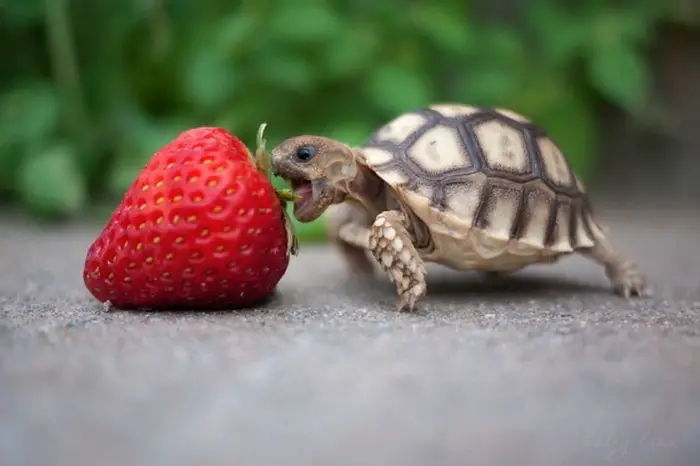
Reptiles such as turtlessnakes and lizards can make fantastic pets for the right people. Although they may not be as soft and cuddly as a cat or dog, shelled and scaly critters can add a healthy dose of companionship and entertainment to their owner’s lives. Before getting a reptile, it’s important to know that caring for these cold-blooded creatures isn’t a task you should undertake lightly; you’ll need a thorough understanding of your new pet’s species, habitat, preferred environment and ideal temperature before going out and buying a snake, turtle or lizard.
There are other drawbacks to keeping reptiles as pets that you should know about before deciding to buy one.
Snakes, especially large snakes, can be high-maintenance. Feeding a pet python means performing unappetizing and gruesome tasks, such as microwaving frozen rats for the snake’s dinner. As for many turtles and tortoises, a very long life expectancy means a potentially life-long (and possibly longer) commitment for their human friends. In fact, there are plenty of instances of tortoises and turtles outliving their original owners by decades.
While lizards don’t live as long as turtles and don’t eat rats like snakes, they eat live insects, which can be a bit gross and tricky to manage. Flies, crickets and cockroaches are their favorite prey, so if your pet’s food accidentally gets loose in your dorm, it could be a hassle to run damage control on the situation.
If you’re willing to set aside the necessary time and effort it takes to properly care for a reptile, it can be a very rewarding experience. But if you don’t think you’re ready for the responsibility of caring for such strange and wonderful creatures, reptiles might not be the right option for you.

2. Fish

Apart from being the most widely-accepted pet for students living in college dorms and residences, certain species of fish are among the easiest animals to care for. So-called “starter fish,” such as goldfish, require minimal maintenance and can live in small (but clean) containers. Some types of pet fish, such as White Cloud Mountain Minnows, only need to be fed every few days and actually do better with less frequent feedings. Fish need little to no socialization with humans to stay healthy (although an aquatic friend or two would be much appreciated, especially in the case of schooling fish species) and don’t require you to set aside time to play with or exercise them. If you keep your fish’s tank clean, feed them regularly and provide them with an interesting environment to swim around in, your fish should be fine.
There are plenty of other, less pleasant things to consider when deciding to buy a fish, however. For one, you can’t cuddle or handle a fish like you can most other pets on this list. For two, cleaning fish tanks can be hard work and, especially for big tanks, a large sink is required. On top of that, filters can be noisy (especially when the water level in a tank sinks due to evaporation) and you need to purify and dechlorinate tap water before it’s safe to add to a fish tank. In the case of tropical and/or saltwater fish, you’ll also need a tank heater and/or a salt-sensitive device to keep track of water salinity if you want to keep your new finned friends happy and healthy.
However, despite these difficulties and responsibilities, fish—especially starter fish—remain one of the easiest, most low-maintenance types of animal to care for. Because of this, they’re a great option for college students with a busy schedule and very little spare time.

3. Insects and arachnids

Like fish, there are many species of insects and arachnids that make great, easy-to-handle pets. Tarantulas, cockroaches, crickets, scorpions and millipedes are all animals that most people would rather not have in their living space; however, for bug-lovers, these tiny animals can make excellent pets.
Tarantulas and scorpions aren’t recommended for beginners due to their fragility and potential to sting and bite. If you get one of the more docile species of tarantula, you should (with some caution and prior knowledge of the breed) be able to occasionally handle your spider and prove that, despite their bad reputation, pet spiders aren’t necessarily dangerous.
If that sounds too uncomfortable or dangerous, cockroachescrickets andmillipedes are perfect for anyone just starting their bug-owning days. Especially cockroaches—all they need to thrive is a terrarium or aquarium (not filled with water, of course) with plenty of shady places for them to crawl into, food, water and a friend or two. Another thing to note is that cockroaches are very social creatures, so it’s important not to strand one by itself. You wouldn’t want your little pet to get lonely! As for millipedes, they’re known to secrete a potentially toxic irritant from their skin when scared, but if you wash your hands after handling your pet, you should be fine. If you’re concerned about how toxic your new pet might be, you should ask a millipede or insect expert, and try handling your millipede in a safe place to see how you react to the substance it secretes before taking it home.
While you might have a hard time convincing your university’s housing staff and/or roommates that having a tarantula or scorpion in your room is a good idea, crickets, millipedes and cockroaches are extremely low-maintenance and non-threatening animals to keep in your dorm.
By: Patrick Mbali

BEST SMALL PETS FOR COLLEGE STUDENTS

- Copyright © Alot Cute Pets Animals - Blogger Templates - Powered by Blogger - Designed by Johanes Djogan -